
Networking & Building Connections
Building a Strategic Networking Plan
Networking is a powerful tool for career development, helping you connect with professionals in your field, discover opportunities, and gain insights into industries and roles. Whether you're a new student or a seasoned professional, building a strategic network can open doors to new experiences and growth.
UMSI students are in high demand, and a strong network will help you stand out among applicants. On this page, you'll find practical tips, templates, and guides—all tailored to the needs of School of Information students and aligned with employer expectations.
Getting Started: What Networking Can Look Like
Networking happens in many forms—online and in person.
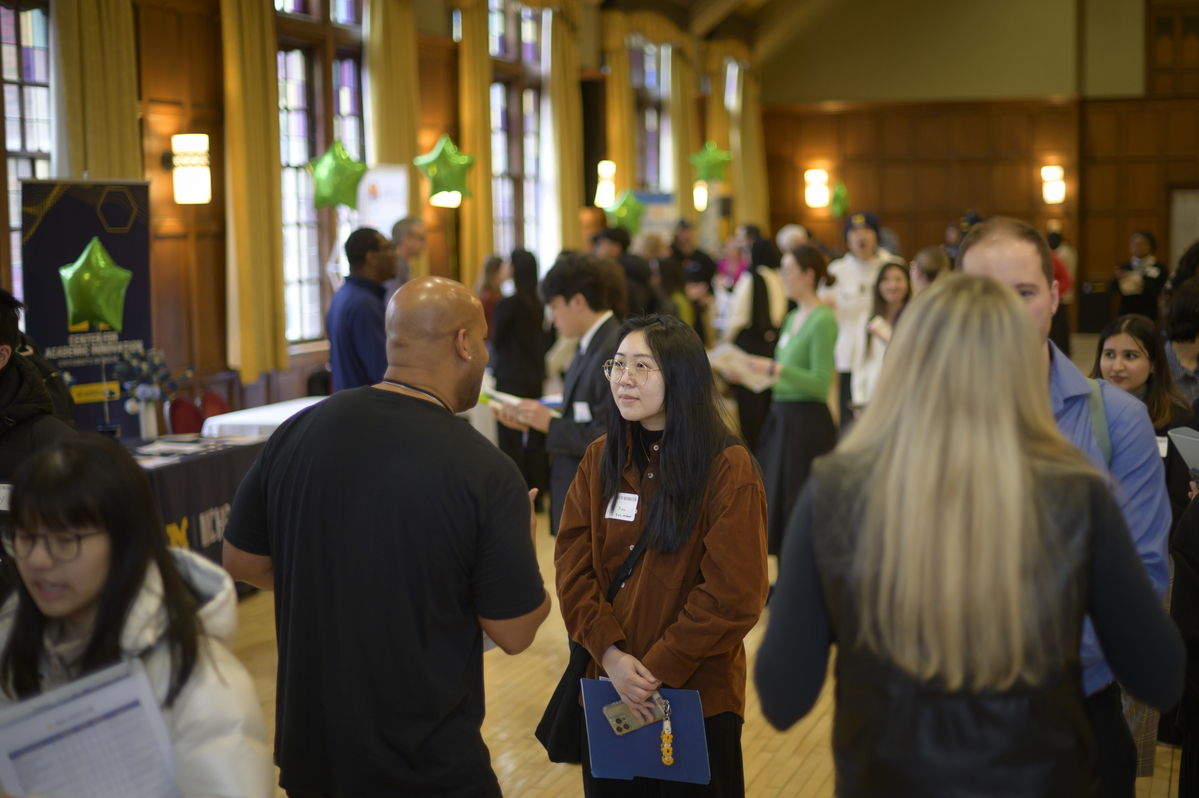
Common ways students build connections:
- Attending career events or information sessions
- Reaching out to alumni or professionals on LinkedIn
- Participating in online forums and social media groups
- Following up after classes, events, or workshops
Where To Find Alumni?
- UMSI LinkedIn Group | LinkedIn Alumni Tool
- Career Link (employer contacts)
- UCAN
- Alumni Career Connections (see CareerLink for event details)
- Networking or recruiting events (see CareerLink for event details)
If you’re not sure where to start or feel overwhelmed by options, the LAMP List can help. The LAMP List is a simple framework for identifying and prioritizing organizations you’re interested in by considering List, Alumni, Motivation, and Postings. It helps you focus your networking efforts before actively applying, so your outreach is more strategic and intentional.
Reaching Out With Confidence
Reaching out can feel intimidating, but a clear, respectful message goes a long way. Here are some tips to help you connect with professionals meaningfully and effectively.
Goal: Get A Response!
Don’t get discouraged by low response rate - average response rate to “cold messages” is around 20%. Each contact you connect with is an important and valuable addition to your network!
The overall goal is to get a response, whether it's a phone call, a video meeting, an in-person chat, or even just an email reply. Once you have that initial connection, you can build rapport and explore opportunities further.
Outreach Messages Do's & Don'ts
Do's
- Keep it short: demonstrate that you respect their time.
- Establish a time frame: it’s easier to say yes to a 20-minute coffee chat in the next two weeks than an undefined time commitment.
- Personalize the message: convey your respect and value for them as an individual.
Don’ts
- Do NOT ask for information that is readily available online.
- NEVER send your resume first. Always ask for permission.
- Do NOT begin by asking for a referral—build the relationship first.
- NEVER ask for a job.
Email & LinkedIn Message Templates
Use these templates as a starting point for your outreach. Remember to personalize each message to reflect your genuine interest and the specific context of your connection.
Informational Interviews: Learn Through Conversation
An informational interview is a casual conversation with someone working in a field you’re interested in. It’s a chance to learn about their role, career path, and industry— not to ask for a job. Informational interviews are one of the most effective ways to explore careers and build genuine professional connections.
Before the Conversation
- Research the person, organization, and industry.
- Be ready to briefly introduce yourself and explain your interests.
- Prepare thoughtful questions to guide the conversation.
During the Conversation
Start with light small talk, then transition into professional questions. Use the TIARA Method to structure the conversation and keep it engaging.
- Trends: Ask about changes or emerging directions in the industry.
- Insights: Learn about their day-to-day work, challenges, and career path.
- Advice: Ask what they recommend you focus on right now.
- Resources: Request tools, websites, or readings to explore further.
- Assignments: Ask what skills, projects, or experiences would be valuable to pursue.
Closing & Next Steps
- Thank them for their time and insights.
- Ask if it’s okay to stay in touch or follow up with questions.
- Send a short thank-you email after the conversation.